By Dylan Yu.
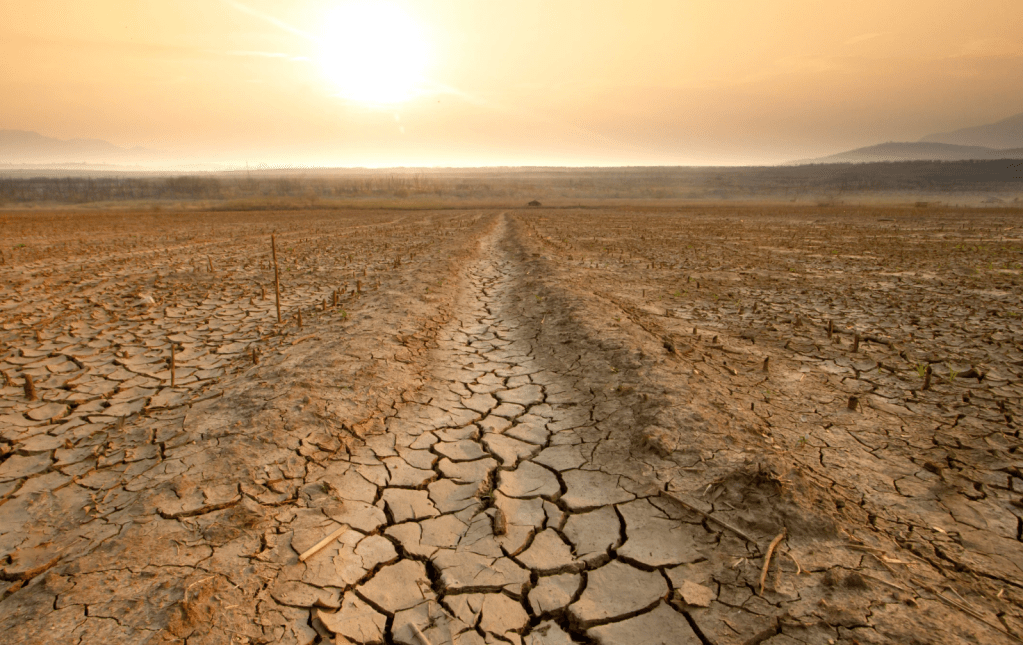
The drought within Madagascar has proven to be a major issue as it decimates the agricultural industry of the country which Madagascar relies heavily on. Data shows about 80 percent of the population, or 24 million people is involved in the industry. Despite Madagascar’s extremely arable land as well as it’s beyond favorable climate conditions, Madagascar has been struck be by several years of below average rainfall and climate change which prompted drought within the area, most notably Southern Madagascar. A tradition of agriculture in Madagascar has caused a lack of skill diversity causing causing many Madagascans to not be able to rebound from the issue leading to starvation and job loss. The drought within Madagascar proves to be a prevailing issue and must be prevented.
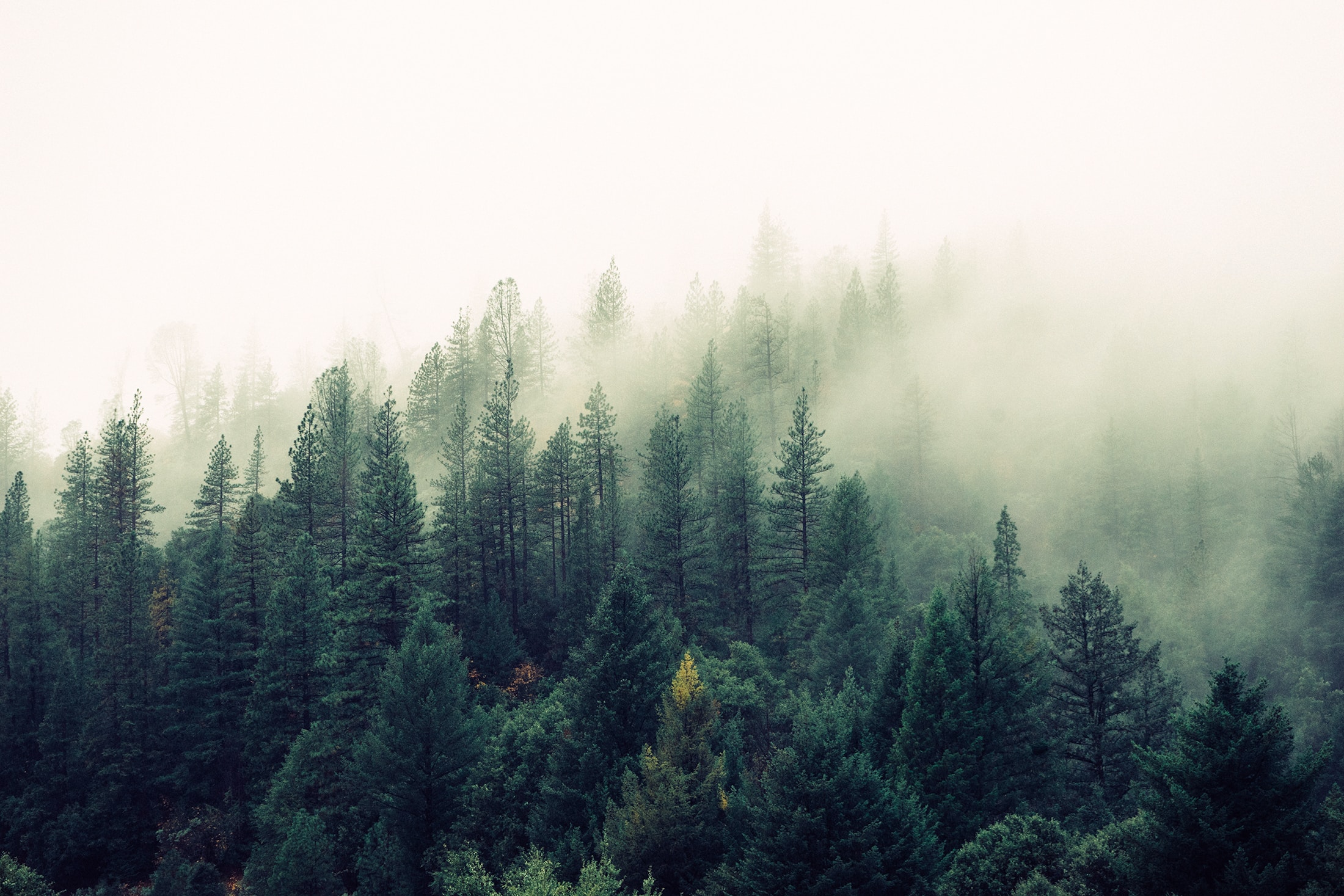
Due to several environmental factors such as low rainfall and climate change, measures must be taken to prevent droughts in the future despite the obstacles that might be encountered. A long-term solution that will prevent future droughts would be ideal. Reforestation within Madagascar is thus proposed. Research has shown that reforestation can supply several benefits to agriculture as trees and other forms of plant life can prevent soil erosion as well as removing pollutants in the air which is a trigger for climate change. Along with the several ecological benefits, it will also supply several jobs to people who have lost them during the drought. The Madagascan government has been focusing on planting trees ever since January 19, 2020, Madagascar attempted to plant 60 million trees in order to mark 60 years of independence. The Madagascan government under Rajoelina has made it a priority to “make the island green again.” Without a doubt by promoting eco-friendly projects within the region, Madagascar will be able to experience many agricultural benefits in the long-term.
One of the most devastating effects of the drought is job loss as about 1.38 million people fell under the poverty line. This is due to the lack of job variation as data shows that about 80 percent of the population is involved in agriculture. This is attributed to the agricultural lifestyle of the area as well as poor education in the region. The lack of education has contributed to the reliance of agriculture, data shows that less than 3% of the country’s GDP is focused on education which falls under the average of 5% allocated to education when compared to other similar African countries. The current Madagascan government has recently received 100 million dollars in funding in order to bolster its education which will be used to train teachers and build more educational facilities as well as increasing the attendance of primary school students to 4.6 million. Unfortunately, due to the current economic crisis many families cannot afford to send their children to school. Knowing this, we suggest eliminating or reducing enrollment costs. Many countries have implemented this system, for example enrollment increased by 12 percent in Ghana, 18 percent in Kenya, 23 percent in Ethiopia and 51 percent in Malawi after the abolition of school fees.

 Living Ethics Journal
Leave a comment