

By Dylan Yu.
Without a doubt, the increase in global demand for international tourism can be attributed to the indigenous influence over an area. Globally, 44 countries rely on tourism as their main source of revenue, many being island nations such as New Zealand and the Bahamas [1]. It is undeniable that indigenous influence plays a huge part in many nations, but there are also several issues that arise when looking at its effects.
One of the key issues to be addressed is the environmental stress connected to the promotion of ecotourism. This can be seen in the Galapagos Islands, which attract about 220,000 visitors per year, and experience litter and plastic on their roads and waters. The most immediate effects of this can be noticed as citizens of Santa Cruz in marine wildlife entangled in plastic bags, rubber rings, fishing gear, and other debris as well as fragments of plastics in their waste [9]. Furthermore, the World Wildlife Fund reports that more than 200 million tourists visit the Mediterranean every summer, causing almost a 40% spike in plastic entering the sea. This becomes particularly concerning when you consider that this trend is mirrored everywhere else [10].
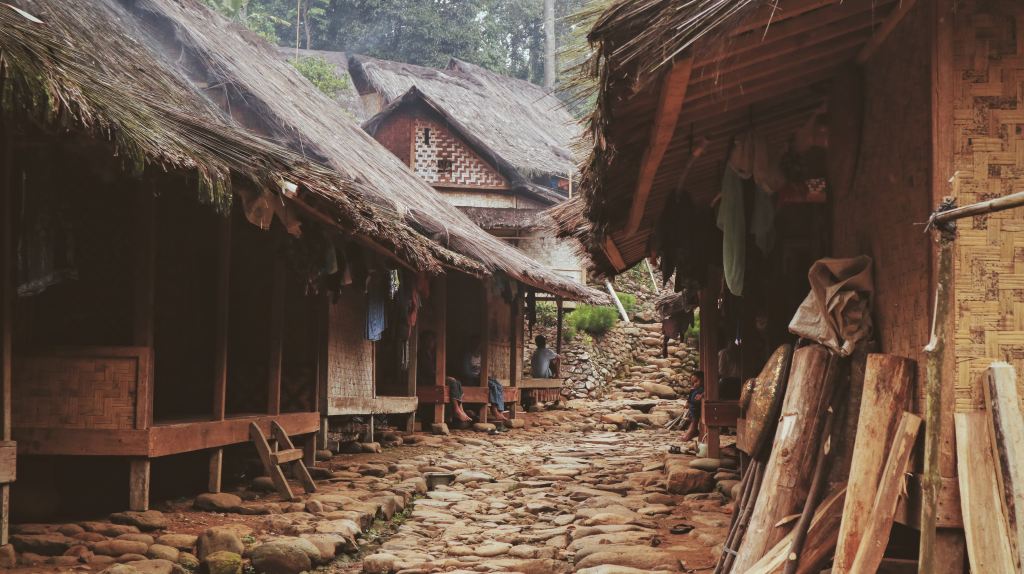
Unfortunately, throughout the world, there are instances of native populations being exploited or dependent on the tourism industry, which is an issue because tourism increases reliance on the globalized economy rather than local production [2]. Furthermore, development projects promoted by NGOs and governments have received backlash from indigenous groups, as these projects have led to the exploitation and displacement of natives [3]. Ecotourism, often associated with indigenous culture, also has its faults in the environmental damage incurred, including disturbing wildlife and other organisms and interfering with the local ecosystem [3]. Knowing the potential for economic expansion and the current negatives, it is essential to act to provide a system of sustainable tourism while ensuring the integrity of both indigenous populations and local environments.

 Living Ethics Journal
Leave a comment