
By Dylan Yu.
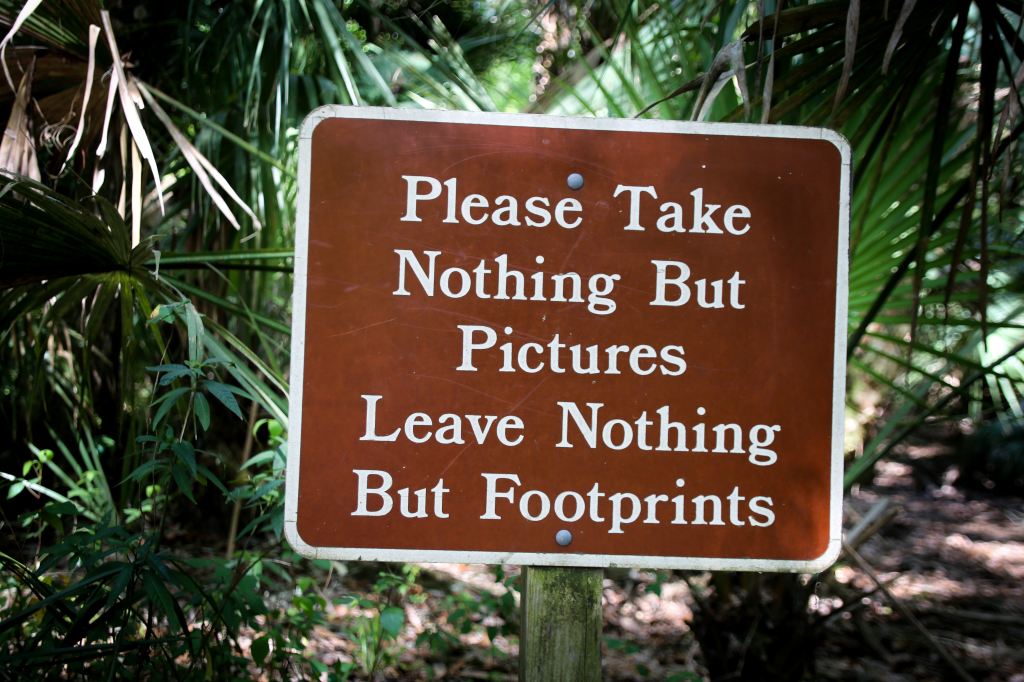
Each year, more than 300 million people visit the national parks, producing a total of more than 100 million pounds of trash. Initiatives to increase the accessibility of waste disposal have shown potential to reduce the amount of waste. Data shows that when people are within 10 feet of the receptacle, the litter rate decreases to 12% from just over 20% when people are 21-30 feet from a trash can [1]. Moreover, cigarettes represent 38% of the litter in the world and are one of the most environmentally damaging, with its remains lingering 500-1000 years after use. Introducing outlets can go a long way in preventing toxins from entering the ecosystem and poisoning wildlife.
Undoubtedly, we cannot deny the effectiveness of commercial trash cans, but many may argue that they are unsightly and might detract tourists from visiting an area advertised for their natural beauty. While this must be acknowledged when instituting public policy, it can also be viewed as an opportunity to promote culture. For example, in the US, for Hispanic Heritage month, people promoted the use of street art to transform mundane city centers into sprawling cultural artworks by painting murals on walls and buildings [2]. By promoting artwork on commercial trash cans, we can raise awareness of local culture as well as resolving the initial issue of reducing litter.

Using deterrents by instituting fines for people who contribute to the littering issue is an effective method as well. Singapore, a country known for being one of the cleanest in the world, has been placing harsh fines of up to 2,000 dollars on citizens and tourists alike in order to maintain their clean image [3]. Furthermore, from a public finance point of view, instituting fines is cheaper than paying people to pick up litter [4]. Nevertheless, fines have their limits on preventing littering, leading to several countries such as Sweden, the UK, and Scotland implementing a culture around trash pick-up and maintaining a clean community called Zero Waste.
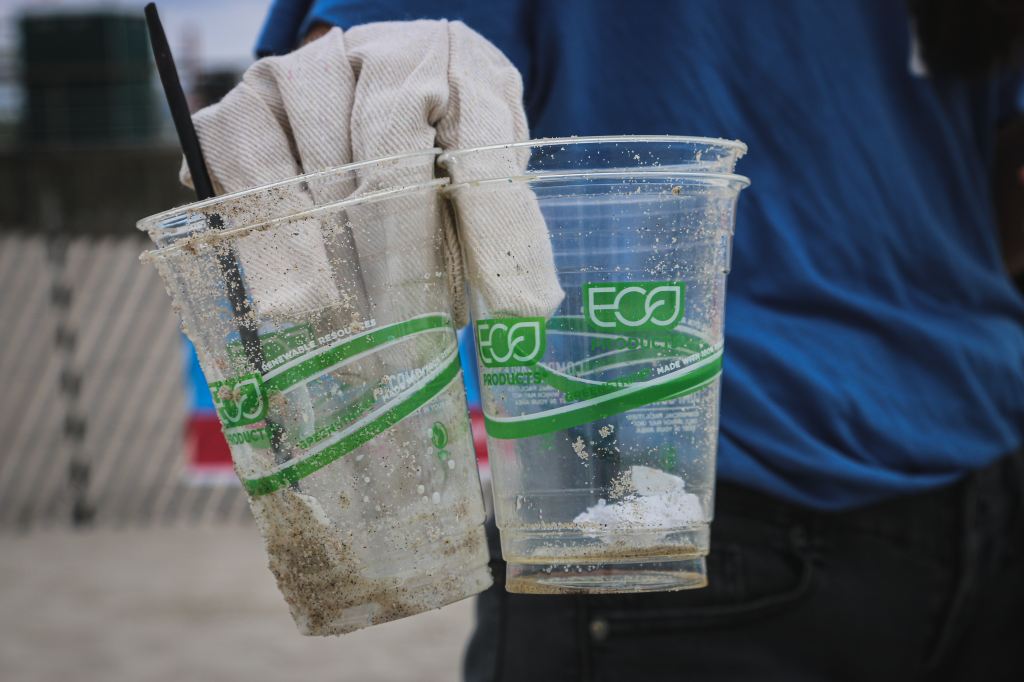
Evidence surrounding the Zero Waste initiative has been promising, as it creates a feeling of community and brings awareness to the consequences of littering [5]. A survey conducted by the National Parks’ Conservation Association affirms that the majority of people, when informed about the parks’ littering issue, are willing to do everything in their power to reduce trash and not litter [6]. Sustained campaigns to bring light to the issue are an extremely effective measure to deter future instances of littering and can push for a culture denouncing the act of littering.

 Living Ethics Journal
Leave a comment