
By Steven Zhang, Henry Wang.
Ballast is a method to maintain stability in a ship, especially in oil tankers, by adding weight in the form of liquid. Departing oil ships are loaded with oil. But when returning, they must be loaded with water to replace the lost weight in oil, so as to prevent the ship from overturning. This ballast water is currently discharged into the ocean upon the ship arriving at its destination.
According to the International Maritime Organization, around 10 billion tonnes of ballast water is used and transported, much of which is then dumped into oceans and makes its way into waterways. In the United States alone, approximately 40,000 gallons of ballast water was dumped off of the nation’s shores 20 years ago.
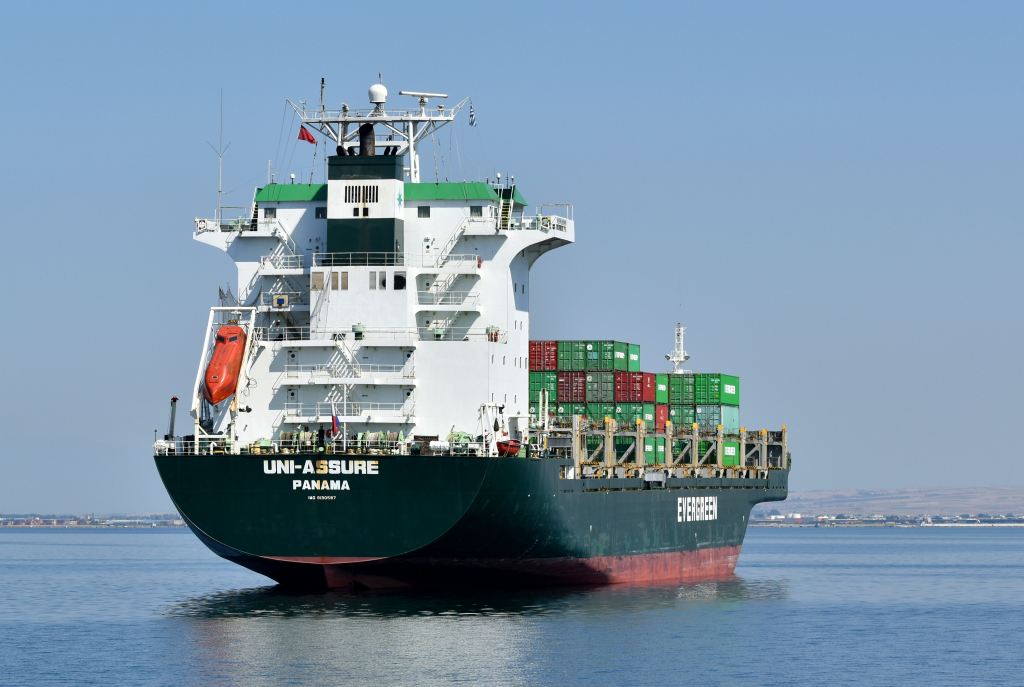
Amongst the most pressing concerns posed by ballast water is the manner in which it is disposed. Presently, ballast water must be discharged into the ocean after use. This holds the risk of transporting invasive species throughout the world’s oceans. An average of around 7,000 aquatic species are transported every hour across the globe and an invasion by these species happens every 9 weeks. Some of these invasions have cost the United States alone, billions of dollars as these non-native species make their way into lakes and rivers. Furthermore, when discharged from oil ships, the ballast water is mixed with oil residue left in the oil tanks it is stored in. This introduces additional pollutants into the surrounding marine environment, and is a substantial source of ecological devastation.

 Living Ethics Journal
Leave a comment