
By Dylan Yu.
As the world continues to modernize, it becomes more crucial for us to establish safe and reliable infrastructure for our society. Infrastructure not only improves the well-being of those within a respective but helps connect us through better transportation and stronger interconnected economies. Furthermore, the lack of soft infrastructure like education and healthcare only furthers the divide between developed and undeveloped countries, especially in our current world.
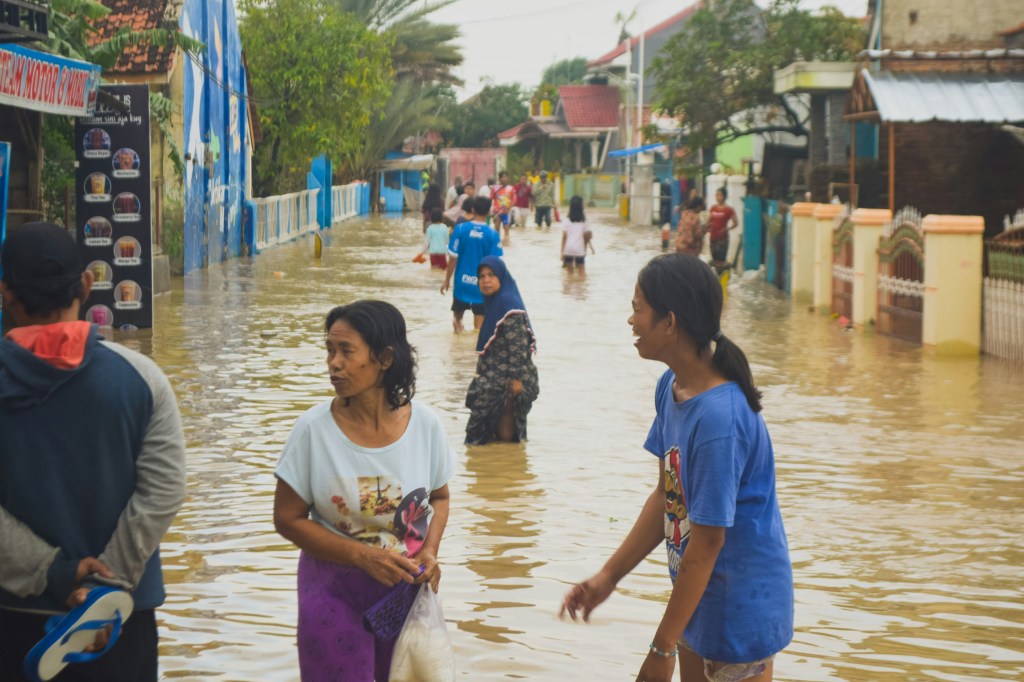
Not only is developing infrastructure is crucial for a nation’s well-being, it is equally important for a country’s infrastructure to be able to handle unpredictable situations like natural disasters and warfare. Unfortunately, countries that are faced with a lack of infrastructure are also frequently
plagued by natural disasters and warfare. The gap between undeveloped and developed countries regarding infrastructure substantial. According to the African Development Bank, the infrastructure financing need is hovering at about $170 billion annually, and this figure is expected to expand in the future due to inadequate resources and being unable to find the funds. On the private side of the issue, businesses are susceptible to risks regarding politics and payments which hinder production, but when done correctly private businesses can deliver quality infrastructure to a region.
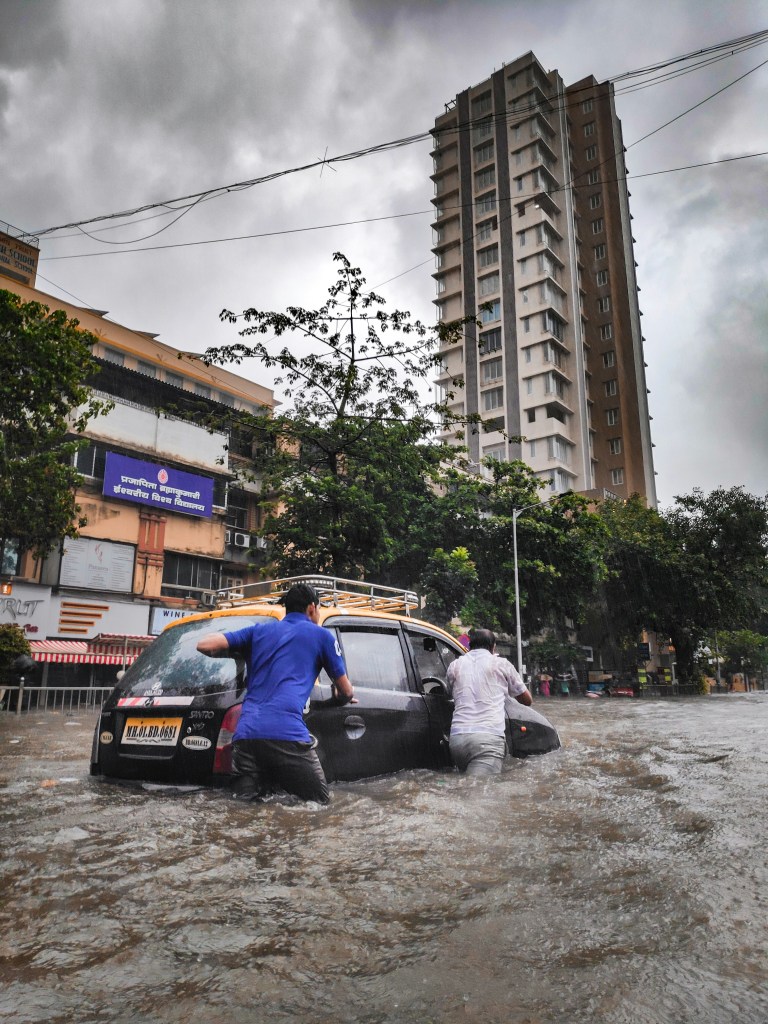
Additionally, developing countries are not willing to follow through with projects because they cannot justify plans when they do not expect a baseline return from the investment, which leads to either subpar infrastructure in the region or none at all [1]. Weak baseline infrastructure is the main contributor to not being able to adequately respond to disasters, but when a disaster does happen, a strong response is also crucial to a nation’s well-being. Fortunately, more than 80% of countries indicate that they have a disaster risk contingency but the extent of the effectiveness is up for discussion [2]. Typically, when a region cannot properly respond to a disaster, other countries come to the aid of others. For example, the World Bank has allocated about $140-$300 billion to about 98 countries for disaster risk [3]
The lack of disaster-resistant public infrastructure is a humanitarian concern that’s caused by the shortage of financial investment and economic incentives. In essence, this is an economic issue that can be aided through the implementation of long-lasting and disaster-proof infrastructure. Every year natural disasters cost the global community about $313 billion, with only $132 billion being insured, equating to about a $181 billion loss for the global community [9]. Although the implementation of disaster-proof infrastructure appears costly in the short run, it is a crucial investment in the long run. We often think that infrastructure is a financial burden upon our nations, since it seems that capital is invested into revenues that don’t generate economic output, but if done properly, infrastructure can be an extremely strong economic tool. The development of roads and transportation sectors has the potential to be both a stream of economic benefit and an avenue for supplies and humanitarian aid to be properly delivered to the intended recipients. If roads are not properly established, planes and helicopters are the next most common method, which is not only a slower method of delivering supplies and materials, but also resource-draining. Therefore, we must establish safe and reliable roads for times of disaster.
Throughout the world, floods proved to be one of the most deadly and common forms of disasters [10], and unfortunately, there is no 100% flood-resistant road. However, there are measures that can help reduce how frequently roads must be maintained due to floods. For example, barriers can be built to prevent water from flooding roads, and with the use of data analysis, engineers can properly plan where there are risks of floods and avoid those areas [11]. A more permanent but more expensive method would be to replace all the roads in a given area and elevate the road above the base flood level. One country experimenting with raising roads is the US, where in Miami, they have invested $400 million to install water pumps and raise roads above flood levels to prepare for the future sea level rise [12].
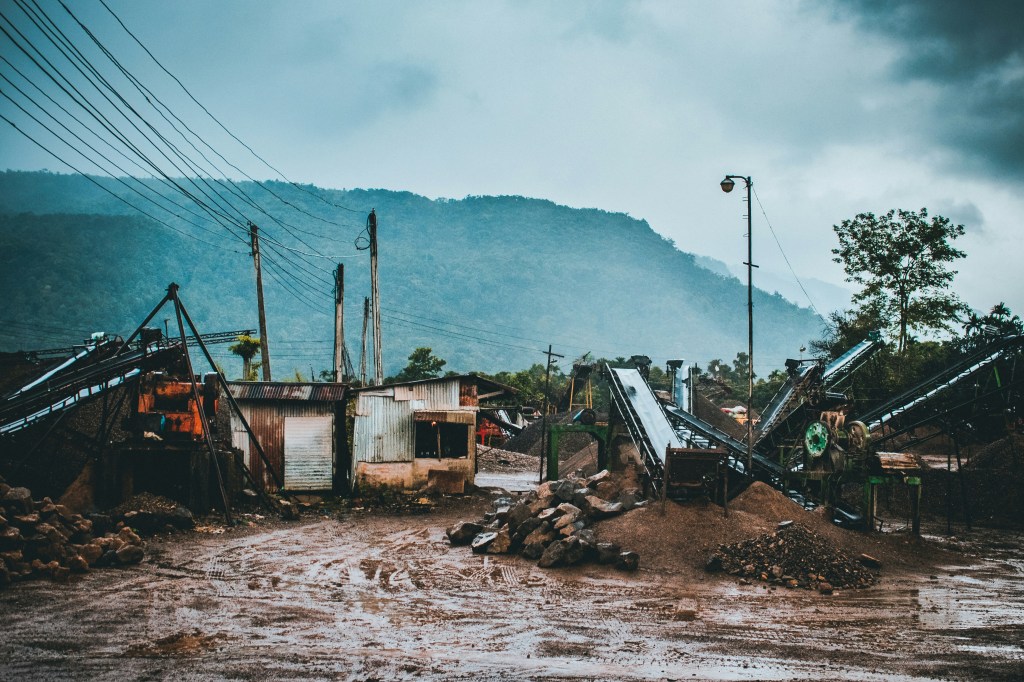
Aside from providing ways for aid to those in need, roads also provide economic aid to the respective country. Roads are an excellent way of promoting transport, as they bolster efficient and safer travel while expediting trade and the distribution of goods. Research from the UK indicates that increasing accessibility to major roads can increase the number of local firms, leading to higher local employment. For example, in the UK, 1.5-2.5 billion pounds are invested a year on major roadways. As a result, roadways became 10% more accessible, resulting in a 4% increase in the number of businesses and employment. Furthermore, data indicates that labor productivity and the average wages of workers increased by 2.5-3% as well [13].
Undoubtedly, when disasters occur, it is crucial that those who are affected must be properly equipped and informed of when these events happen. With increasing amounts of natural disasters such as floods and torrential storms brought upon by climate change, we must establish methods of communication to inform those in danger. A UNDRR report states that currently, only 40% of countries in Africa have early disaster systems, many of which are prone to quality issues. But even installing a basic early disaster system has proven to be a good step forward, as data demonstrates that African countries with an early disaster system program have ⅛ of the disaster mortality rates of those without.
Beyond reducing disaster mortality rates, evidence suggests that with just a 24-hour notice of a disaster, countries can cut the cost of damages by 30% [14]—a substantial portion of the estimated yearly $313 Billion in damages due to natural disasters [9]. All in all, increasing the coverage and use of early warning technology can reduce disaster mortality rates while alleviating the financial burden faced by less developed nations. At this time, the UN plans to work with organizations like the African Union and the World Meteorological Organization (WMO) to help fund and establish these systems [14]. It is imperative that we push for the improvement of civilian preparedness and coverage in areas struggling with constant disasters.
References:
[1] “Rethinking the Infrastructure Gap in the Poorest Countries”
https://www.cgdev.org/blog/rethinking-infrastructure-gap-poorest-countries
[2] “Global Overview of Disaster Risk Reduction Efforts at National and Regional Levels”
https://www.preventionweb.net/english/hyogo/gar/2011/en/hfa/overview.html
[3] “Disaster Risk Management”
https://www.worldbank.org/en/topic/disasterriskmanagement/overview
[4] “United Arab Emirates – Country Commercial Guide”
https://www.trade.gov/country-commercial-guides/united-arab-emirates-design-and-construction
[5] “United Arab Emirates: disaster management with regard to rapid onset natural disasters”
https://uobrep.openrepository.com/handle/10547/294845
[6] “About NCEMA”
https://www.ncema.gov.ae/
[7] “Foreign Aid”
https://www.uae-embassy.org/discover-uae/foreign-policy/foreign-aid
[8] “UAE Announces It Will Launch New Digital Response Platform to Aid Disaster-affected
Countries”
https://reliefweb.int/report/world/uae-announces-it-will-launch-new-digital-response-platform-aid-
disaster-affected-countries
[9] “Cost of Natural Disaster Worldwide”
https://www.statista.com/statistics/612561/natural-disaster-losses-cost-worldwide-by-type-of-los
s/
[10] “Floods – World Health Organization”
https://www.who.int/health-topics/floods#tab=tab_1
[11] “How do we make our roads more resistant to flooding”
https://www.newcivilengineer.com/opinion/how-do-we-make-our-roads-more-resilient-to-flooding
-23-12-2021/
[12] “Elevate roads and bridges above flood level”
https://help.riskfactor.com/hc/en-us/articles/360051425073-Elevate-roads-and-bridges-above-flo
od-level
[13] “New Road Infrastructure: The Effects on Firms”
https://cepr.org/voxeu/columns/new-road-infrastructure-effects-firms#:~:text=In%20theory%2C%
20road%20improvements%20decrease,other%20%27wider%27%20economic%20benefits
[14] “Early Warnings for all of Africa”
https://www.undrr.org/news/early-warnings-all-africa

 Living Ethics Journal
Leave a comment