
By Ethan Bingemann.
GDP is a largely criticized metric for measuring a nation’s output and “success”. This is because GDP is a misleading measure of national wealth and wellbeing. It is calculated by adding private consumption, investment, government spending, and net exports (exports-imports). Due to the nature of this equation, there is essentially no discernable numerical difference between government spending on medical welfare and spending on nuclear warheads. What makes this especially problematic is that most countries focus on issues of economic output as a primary objective. Doing this, they neglect key factors that impact quality of life on a much more national level.
In order to address this there are other measurements that are looked at to better predict the well-being and economic condition of citizens in a nation. One of these such measurements is the World Happiness Index. The criteria for this ranking has six main factors: social support, healthy life expectancy, freedom to make life choices, generosity, perception of corruption and dystopia, and GDP per capita. This list has been historically topped by nations such as Finland, Denmark, and Iceland. Similarly Bhutan coined the measure of Gross National Happiness, a policy initiative launched in the 1970s with an even broader range of goals. This framework contains nine constituent domains of GNH: psychological well-being, health, time use and balance, education, cultural diversity and resilience, good governance, community vitality, ecological diversity and resilience, and living standard.
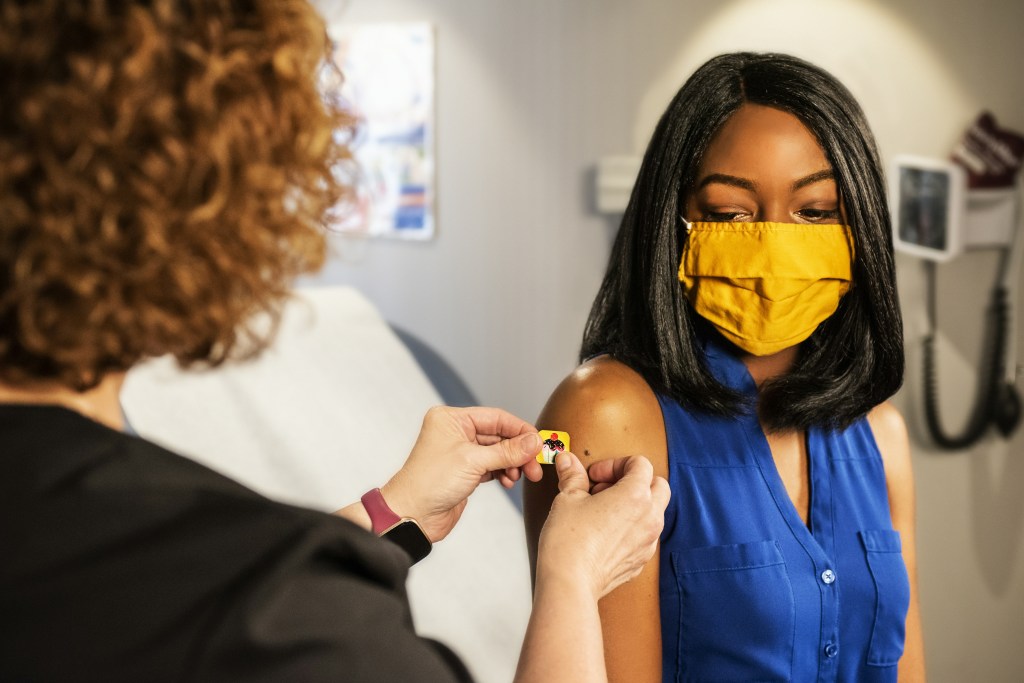
One important component of both is health. With more than half of UN member nations recognizing access to medical care as a human right, its importance cannot be understated. Without access to medical needs there is a huge decline in quality of life and life outcomes. This suffers heavily during times of conflict and war.
When considering quality of life, it is important to recognize the diverse populations that live in any given country. This is because cleavages in many countries are divided on the bases of races or geography. It is critical to provide the same resources to all people of a country, regardless of wealth or social standing. This involves recognizing the groups of people in a country that are under privileged or impoverished.
Finally, it is important to consider government legitimacy and corruption. Part of living in any country is looking up to government officials. Citizens look up to government officials for leadership and governance. Legitimate and transparent governance inspires trust and confidence, contributing positively to the overall well-being of the population. On the other hand, corruption makes living in a country both dangerous and stressful as rights are easily violated.
What is the best way of measuring national success? What steps can be taken to increase World Happiness Index scores? What specific groups do not receive equal quality of life, and how can we improve theirs? How can international collaboration improve quality of life in all countries?
Sources:
“World Happiness Report 2023”:
“The Critical Health Impacts of Corruption”:
“World Health Organization: Human Rights”:
https://www.who.int/news-room/fact-sheets/detail/human-rights-and-health

 Living Ethics Journal
Leave a comment